
Home & garden ·
Before you plant.
A little planning now gives your next tree room to grow.
Explore the takeaways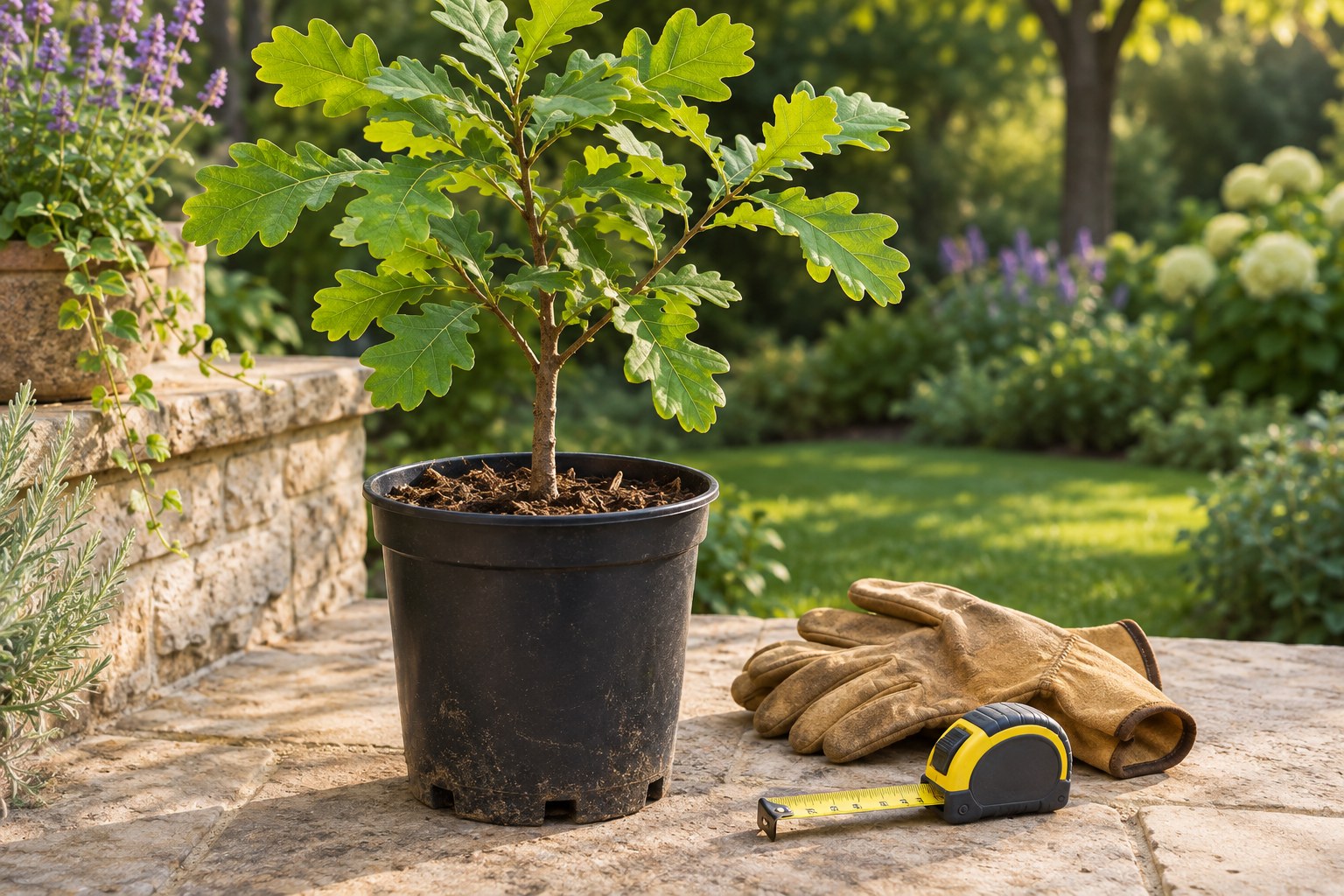
Picture the mature tree.
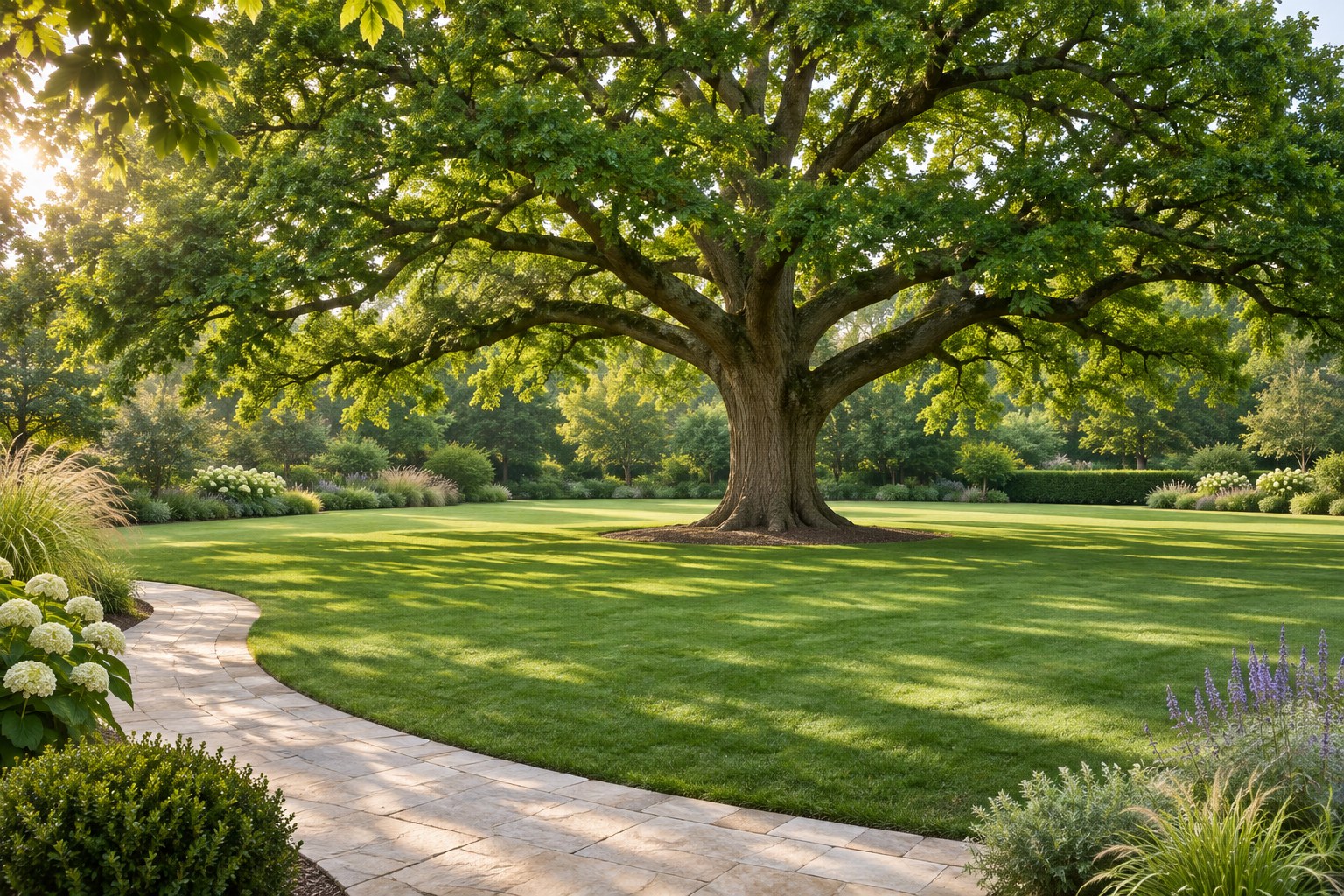
Choose for future height and canopy, not just the nursery size.
Read the detailsClose the details
Start with the tree it will become
A small nursery tree can make a planting decision feel simple. Its future canopy deserves more thought. Texas A&M AgriLife’s Dallas County guidance recommends choosing for mature height and spread, rather than expecting repeated pruning to make an oversized tree fit. Measure the available space before you shop. [1]
For a home in Southlake, Flower Mound or Argyle, turn that principle into an address-specific plan. Photograph the spot, note nearby structures and overhead lines, and describe the shade or screening you want. Those observations give a qualified nursery or arborist a useful starting point. A town name alone cannot identify the right species for a particular yard.
Make the choice fit the site
The same AgriLife resource points readers toward plant-selection tools that consider growing conditions, and recommends checking planting distances with the local utility. Treat a species list as research, then confirm the mature dimensions and suitability of the actual tree you are considering. [1]
Think through the ordinary use of the space, too. Where do people walk? Where might you want a seating area later? Ask about relevant property restrictions, easements and any local approvals before committing to a location. These are questions to investigate for your property, not a claim that every address has the same requirements.
Prepare before you dig.
Arrange utility checks, then confirm planting depth and ongoing care.
Read the detailsClose the details
Check below the surface before digging
Texas811 directs anyone planning to break ground to request utility locating at least two working days ahead, excluding holidays. Its guidance also says to confirm that affected utility operators have responded and marked their facilities before work begins. A tree-planting project belongs in that preparation. [2]
Public utility marking may not cover private lines beyond a meter or on the property. Texas811 explains that arranging private locating is the owner’s responsibility. Identify what else serves the site and arrange the appropriate checks; an unmarked patch of lawn is not proof that nothing is buried there. [2]
Plan the planting and the follow-through
AgriLife’s planting guide identifies fall as a favorable time for container-grown trees and emphasizes checking the root flare, where trunk and roots meet. For a container-grown tree, that flare should be at the soil line. The guide cautions that the nursery soil level may not identify it correctly. [3]
Ask the person supplying or installing the tree to explain the planting depth and an establishment-care plan for your site. Include watering, soil conditions and ongoing observation in that conversation. Avoid assuming that a new tree can immediately follow the same routine as an established landscape; keep the care instructions with your home-maintenance notes.
Choose for mature size. Arrange utility checks before digging. Confirm planting depth and an ongoing care plan for the specific tree and site.
Full context
A young tree is a long-term decision. Make room for its mature size, check what is underground and prepare for the care that follows.
Bring the yard into your home search
If you are considering a move, use this small project as a way to clarify what you want from outdoor space. Is shade the priority, or room for a garden? Would you enjoy maintaining a larger landscape? A photograph captures one moment; your plans should account for how you want to use the yard over time.
Michelle Sanchez can help you connect those preferences to a focused home search and organize property-specific questions. Keep technical tree selection and utility locating with the appropriate specialists. The useful outcome is a home and outdoor setting that fit your plans, with fewer unanswered questions before the first shovel goes in.
All sources and image credits
Sources checked: . Recheck current information before making a decision.
- Texas A&M AgriLife Extension, Dallas County — Native Trees for Dallas County (August 1, 2025)
- Texas811 — Homeowner and utility-locating questions
- Texas A&M AgriLife Extension, Dallas County — How to Plant a Tree (July 16, 2025)
Editorial illustration; not a specific North Texas property. Opening image source

AI-generated conceptual editorial illustration; not a specific town or property. Picture the mature tree. image provenance

AI-generated conceptual editorial illustration of planting preparation; not a utility clearance or planting-depth diagram. Prepare before you dig. image provenance
